

Global citizenship journal

Guides for better case decisions

Practical reading on eligibility, documents, historical context, filing strategy, and what happens after a decision.

Read with your timeline beside you

General guidance becomes useful when you compare it carefully with the dates and records in your own matter.

Hands sorting a personal archive of family photographs

Featured reading

Three places to begin

Eligibility, evidence, and process explained in plain language.

Citizenship By Descent research and evidence review

Commercial comparison

Best Citizenship by Descent Countries in 2026: 10 Routes Compared

Best Citizenship by Descent Countries in 2026: 10 Routes Compared is best approached as a route comparison, not as a promise of a passport. Citizenship By Descent can describe several legally different mechanisms, and each country controls its own eligibility, evidence, and discretion.

Read article
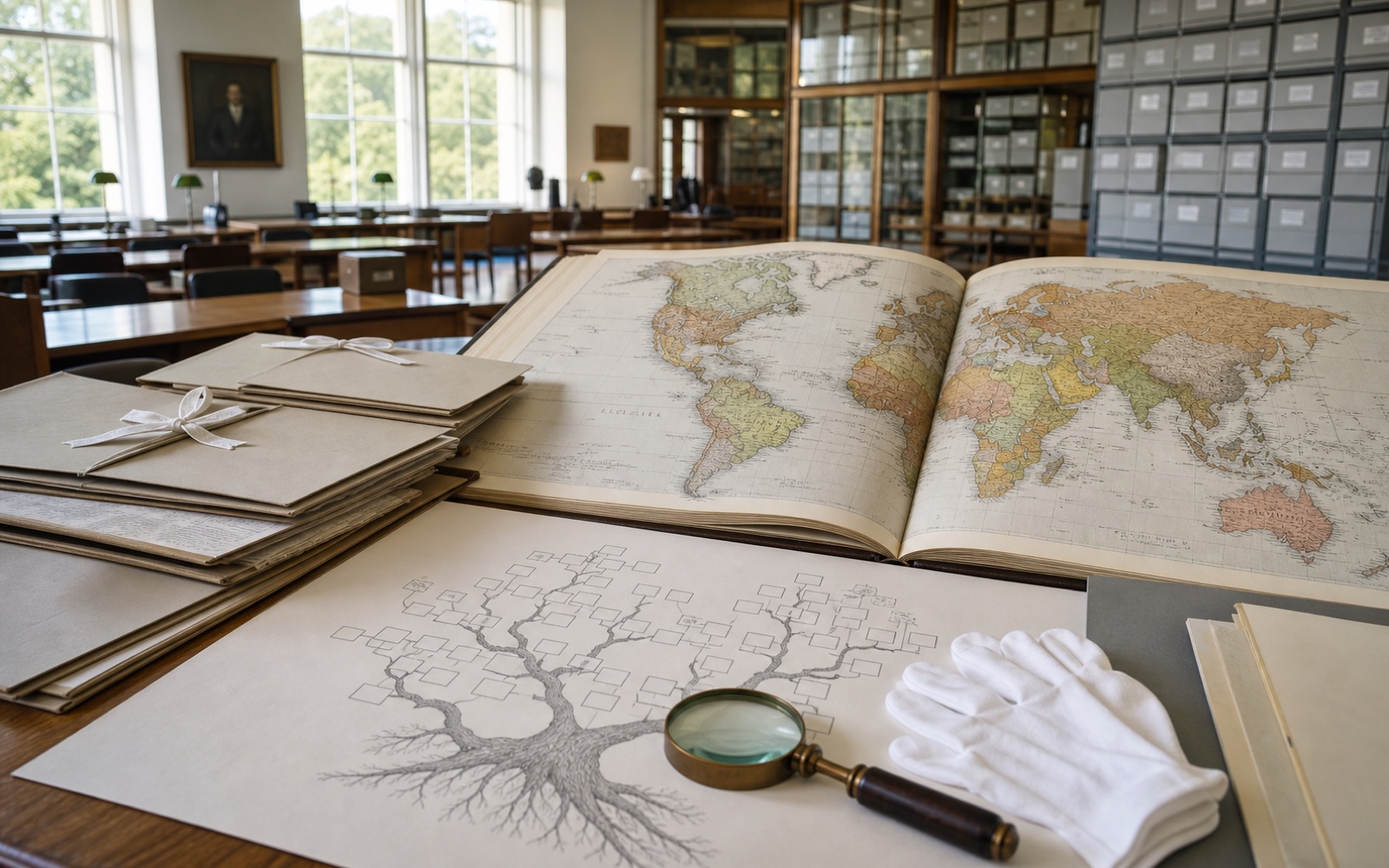
Citizenship By Descent research and evidence review

Evidence guide

Citizenship by Descent Eligibility: How to Test Your Family Tree

Citizenship by Descent Eligibility: How to Test Your Family Tree is best approached as a evidence strategy, not as a promise of a passport. Citizenship By Descent can describe several legally different mechanisms, and each country controls its own eligibility, evidence, and discretion.

Read article
Citizenship By Descent research and evidence review

BOFU provider comparison

Citizenship by Descent Services: DIY vs Genealogist vs Lawyer

Citizenship by Descent Services: DIY vs Genealogist vs Lawyer is best approached as a provider comparison, not as a promise of a passport. Citizenship By Descent can describe several legally different mechanisms, and each country controls its own eligibility, evidence, and discretion.

Read article

What we publish

The Citizenship by Descent journal explains the questions that arise when turning a complex, multi-country family history into a focused citizenship strategy. Articles focus on eligibility logic, evidence, procedure, and the practical choices applicants face before and after filing.

The aim is not to replace a case assessment. It is to help readers ask better questions, recognize weak assumptions, and understand why a document or legal event can matter.

How to use these guides

Begin with the article closest to your current stage. Eligibility guides help organize a first timeline. Document guides help plan registry and archive work. Process articles explain how a complete file moves from preparation to decision.

Record the publication date and verify requirements before acting. Citizenship laws, administrative practices, document formats, fees, and processing arrangements can change. A general article cannot account for every date, family event, or jurisdiction.

Editorial standards

We separate general principles from case-specific conclusions and focus on the strongest jurisdiction, the best-documented family line, and the practical order in which related cases should proceed. Where a point depends on evidence, the article explains what kind of record would normally answer it.

Articles are written for clarity, avoid promises of approval, and are updated when a material change is identified. Readers should confirm current requirements with the competent authority or an appropriately qualified professional before filing.

A simple reading path

Use the journal alongside the case

01

Orient

Define the objective, facts, route, and immediate risks.

02

Evidence

Retrieve and check the records that prove each requirement.

03

Prepare

Build the forms, argument, translations, and indexed exhibits.

04

Follow through

Track the file, answer requests, and plan post-decision steps.

An article cannot decide an individual case

If the dates or records do not fit the general example, request a focused review before acting.

Ask a case question